
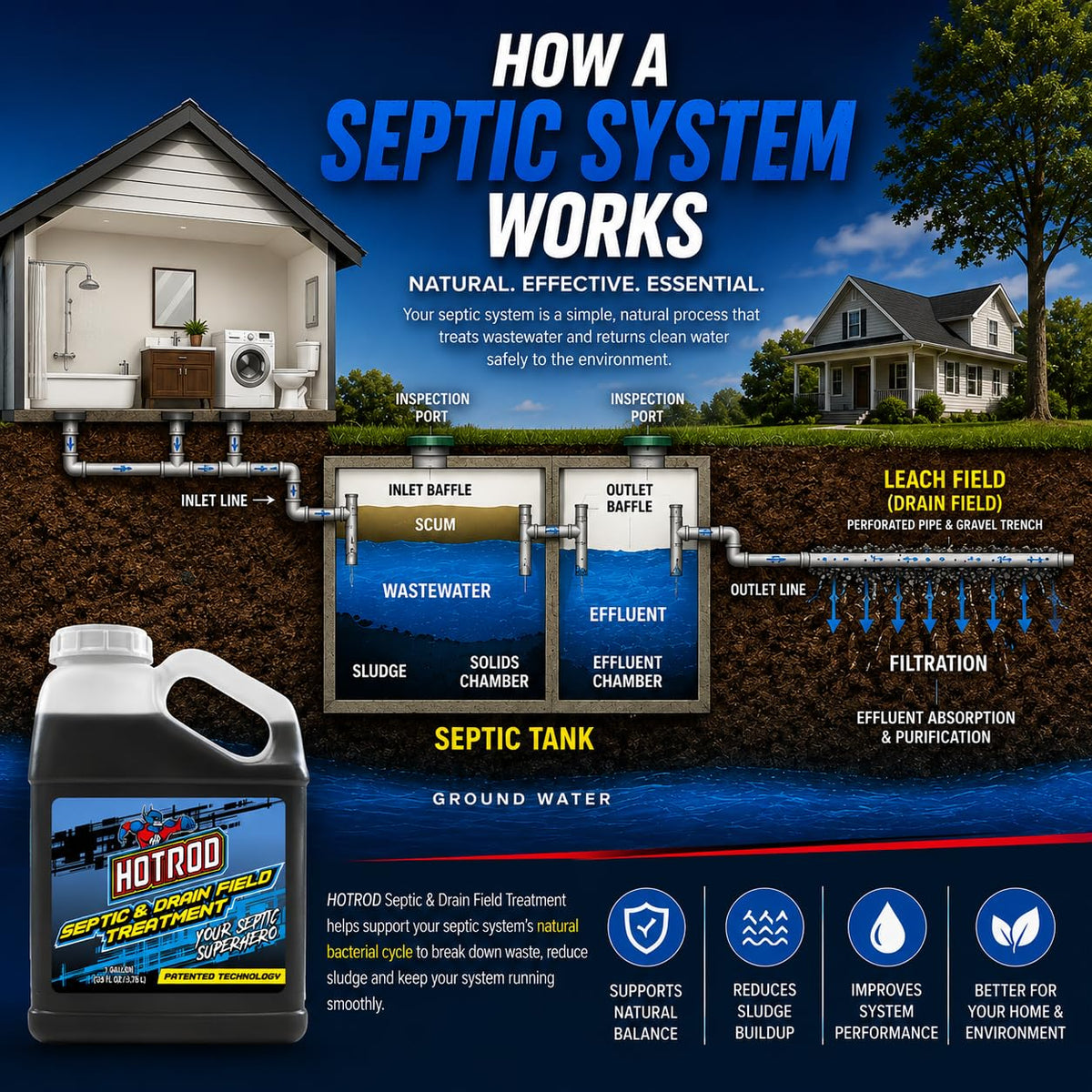
HOTROD Septic & Drain Field | Emergency Treatment
Corrective biological support for stressed septic systems and slow drain fields.
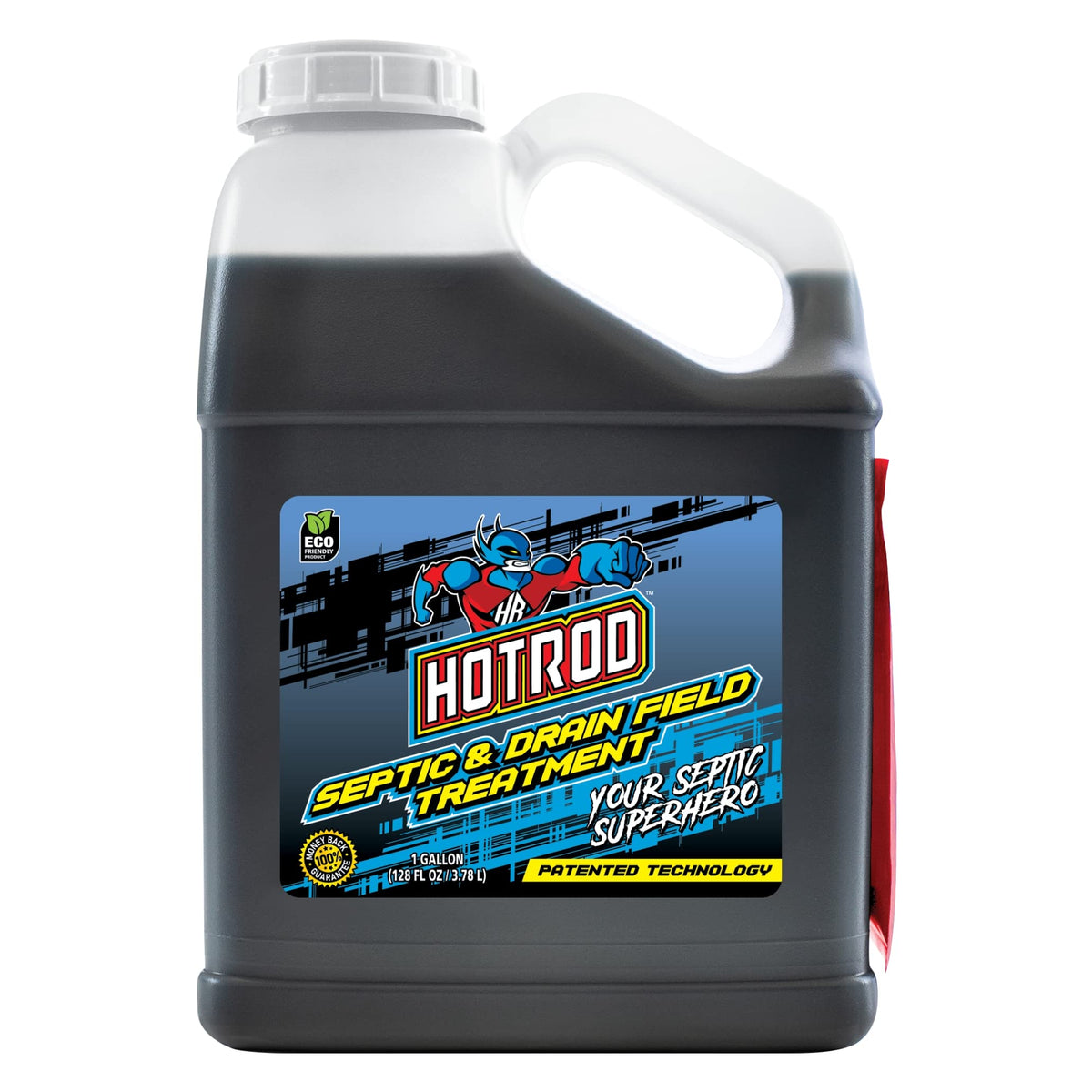
HOTROD Septic & Drain Field is for homeowners seeing warning signs such as slow drainage, recurring backups, standing water near the drain field, or declining system performance.
Is HOTROD right for this situation?
- Use HOTROD when: the system is still moving wastewater but the drain field is slowing, stressed, or showing signs consistent with heavy organic loading.
- Pump first when: the septic tank is full, overdue for service, or the system is so restricted that treatment cannot physically reach the drain field.
- Very important: if the system is completely plugged, adding product to the tank will not solve the problem because the material cannot travel to the affected area.
- After pumping: apply the product so it is directed to the drain field, following the application guidance on this page.
Why homeowners choose HOTROD Septic & Drain Field:
- Designed specifically for stressed systems rather than routine maintenance
- Built around biological wastewater research and real-world field use
- Supports the biological side of system recovery without pretending to repair mechanical failures
- Product application and system-guide visuals are included on this page so customers can understand where it fits
Designed to help:
- Support biological breakdown of accumulated organic material
- Reinforce microbial activity when a system is under stress
- Help manage conditions associated with excessive biomat buildup
- Support more effective movement of treated effluent toward the drain field
Why HOTROD: Rather than relying on harsh disinfecting chemistry, HOTROD supports the biological processes a wastewater system depends on.
What HOTROD will not repair: broken piping, failed distribution components, severe root intrusion, saturated soil, collapsed components, or other structural and hydraulic failures. Those conditions need inspection and repair.
Choose options
CONCENTRATED SUPPORT FOR STRESSED SYSTEMS
When routine maintenance isn’t enough.
HOTROD Septic & Drain Field is the concentrated homeowner option for systems showing signs of stress. It is designed to support biological activity in the tank and the soil absorption area where long-term system performance is often determined.
Designed to reinforce the wastewater biology involved in fermentation and organic waste breakdown when a system is under greater stress.
Supports biological breakdown of organic material associated with excessive biomat and the conditions that can restrict wastewater movement into the soil absorption area.
Includes salt-tolerant biologicals selected to remain active in challenging wastewater conditions where water-softener salts or elevated salinity may be present.
HOTROD is designed to influence gas-producing metabolism. Odor reduction is also a practical benefit frequently reported by customers in real wastewater systems.
MORE THAN A BACTERIA ADDITIVE
Support the digestion. Influence the pathway.
HOTROD is a multi-component biochemical treatment platform that combines patented chemistry with biological activity to influence waste degradation. Controlled testing indicates a more active fermentative environment while methane-producing metabolism is selectively suppressed under tested conditions. The goal is not to sterilize the system or broadly stop anaerobic biology, but to influence activity while maintaining other biological pathways involved in waste breakdown.
Research results were observed under controlled laboratory bioreactor conditions. Actual field performance can vary with system design, loading, wastewater chemistry, temperature, maintenance, and other operating conditions.
WHEN THE LEACH FIELD IS THE PROBLEM
Pump the pressure off. Then treat the problem area.
When a system is fully backed up, the first step is not to simply pour treatment into an overloaded system. Pumping the tank down removes hydraulic pressure from the leach field and gives retained wastewater a chance to drain back. Once the system has relief, HOTROD Septic & Drain Field can be directed toward the outlet and leach-field side so the treatment reaches the organic biomat and buildup you are trying to manage.
Pumping removes wastewater and accumulated solids from the septic tank, but it does not directly treat organic biomat already developed in the leach field. That is why HOTROD Septic & Drain Field is designed for both the tank and the downstream soil-absorption environment.
If the problem is primarily in the tank, the product can also be applied there according to the label. When the drain field is the problem, the goal is to get the treatment toward the area where the organic buildup exists.
TYPICAL CORRECTIVE APPLICATION
Put the treatment where the organic problem is.
For a backed-up system with suspected leach-field biomat, the sequence matters. The immediate pressure problem is addressed first; then the treatment is directed toward the downstream problem area.
If the system is fully backed up or hydraulically overloaded, pump first to take pressure off the leach field.
With the tank level lowered, retained wastewater in the field and laterals has an opportunity to move back toward the tank.
A septic professional may use appropriate outlet-side access, including a funnel and hose where suitable, to direct the product toward the leach field according to the service procedure and label.
If organic buildup or biological stress is also present in the tank, the product can be applied there according to label directions.
KNOW WHAT HOTROD CAN — AND CAN’T — FIX
This product is aimed at a biological problem.
HOTROD Septic & Drain Field is designed for biological biomat and organic accumulation. It cannot correct a physical obstruction or a drain field that has nowhere to discharge water.
HOTROD is not a herbicide and is not designed to kill or remove tree roots. If roots have entered, blocked, or damaged septic piping or the drain field, the root intrusion needs to be mechanically addressed, repaired, or otherwise professionally managed.
If groundwater or surface water is at or above the drain-field elevation, the surrounding soil may have little or no capacity to accept additional wastewater. A biological treatment cannot overcome saturated receiving soil. The groundwater, drainage, or site condition has to be addressed first.
HOTROD is designed to support breakdown of organic material while selectively influencing methane-producing metabolism and maintaining a more active fermentative environment under tested conditions. The intent is to help manage the biological conditions associated with excessive biomat buildup and reformation — not to repair roots, broken piping, saturated soil, or an improperly designed field.
WHICH HOTROD DO I NEED?
Maintenance or corrective support?
Routine maintenance for a system that is operating normally.
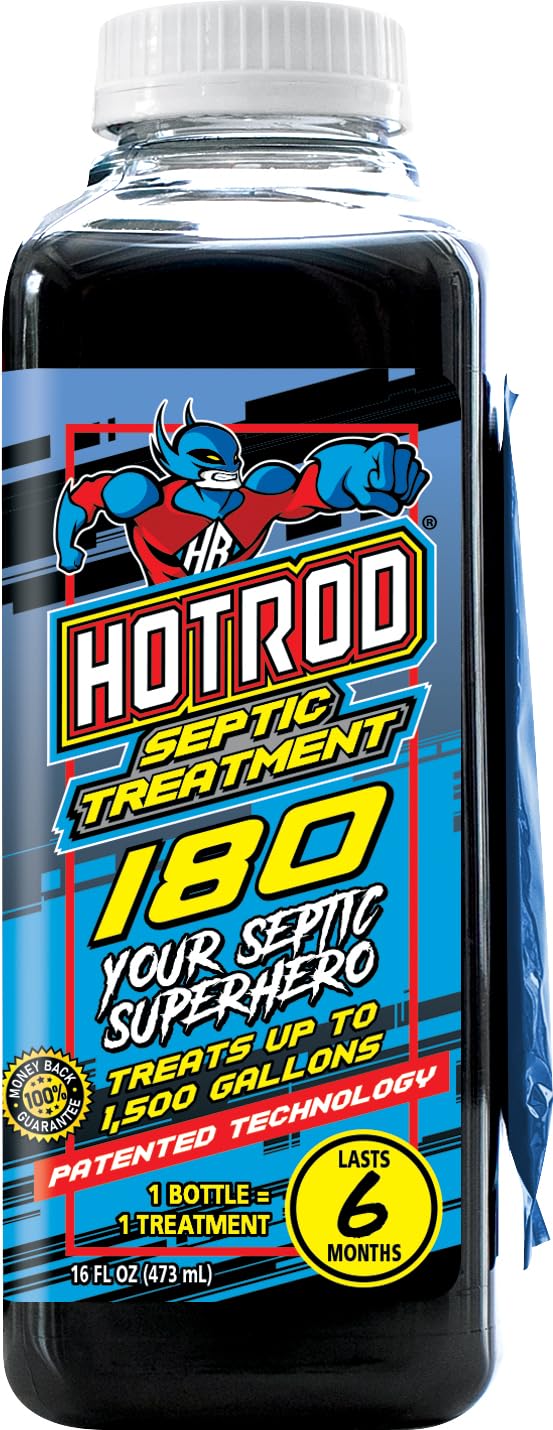
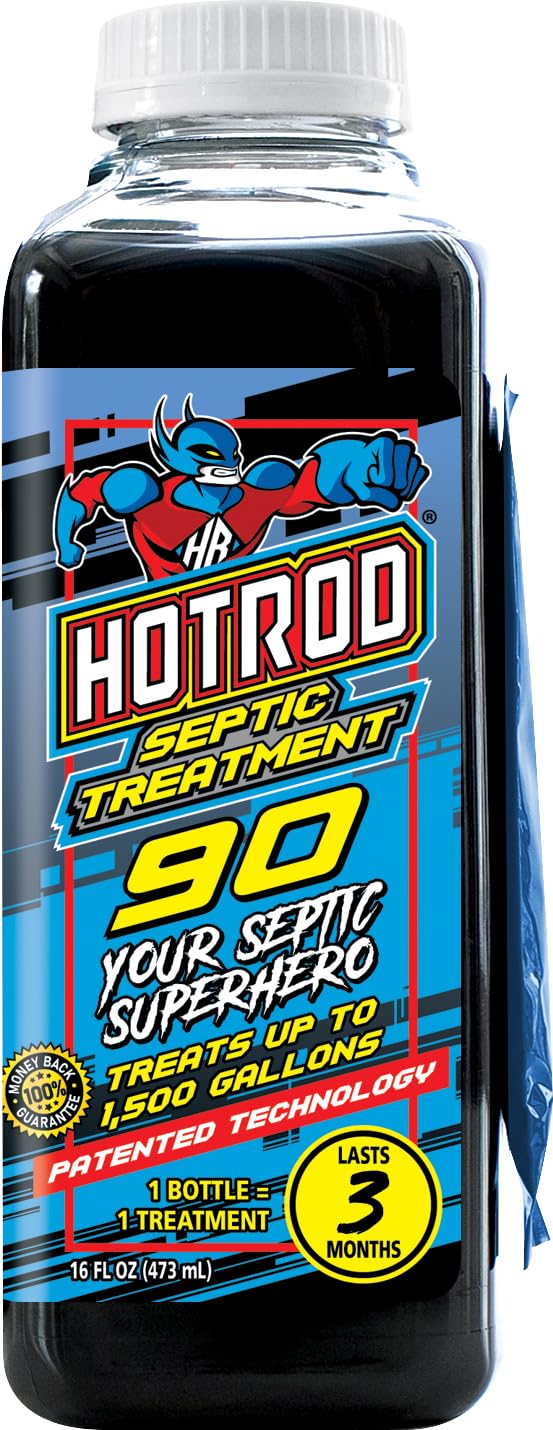
VIEW HOTROD 90 →Routine maintenance with fewer treatment dates each year.
VIEW HOTROD 180 →Concentrated homeowner support when the system is showing signs of strain.
You are here.SEPTIC & DRAIN FIELD FAQ
What homeowners usually want to know.
How is this different from HOTROD 90 and 180?
HOTROD 90 and 180 are routine maintenance products. Septic & Drain Field is the more concentrated homeowner option for a system that is already showing signs of stress or needs greater drain-field support.
Can this restore a failed drain field?
It depends on why the field is failing. HOTROD is designed to address biological biomat and organic accumulation. It cannot correct root intrusion, broken or collapsed piping, an improperly designed system, or a drain field that is saturated because of a high water table or surface-water problem. Those conditions require the underlying physical or hydraulic problem to be addressed.
What does HOTROD mean by biomat support?
Biomat is the biologically active layer that develops at the soil interface in a drain field. Some biomat is normal. Excessive organic accumulation can contribute to restricted infiltration. HOTROD is designed to support breakdown of organic material and influence biological activity away from strongly methane-producing conditions while maintaining fermentation and other non-methanogenic activity under tested conditions. The goal is to help manage excessive biomat buildup and the conditions associated with its reformation, not to eliminate all biomat or sterilize the drain field.
Will HOTROD fix tree-root intrusion?
No. HOTROD is not a herbicide or root-control product. It does not kill, dissolve, or remove tree roots. Root intrusion needs to be mechanically addressed, repaired, or otherwise managed by the appropriate septic professional.
Will it work if the drain field is saturated by groundwater?
Not while the receiving soil is hydraulically saturated. If the water table or surface water is at or above the drain-field elevation, the field may have nowhere to accept additional wastewater. That is a site or groundwater problem, not a biological biomat problem, and it must be corrected or allowed to subside before biological treatment can be expected to help.
What if my water softener discharges into the septic system?
HOTROD includes salt-tolerant biologicals selected to remain active where salinity may be present. Excess sodium can disrupt soil structure under some conditions, so the product is positioned to help support the biological environment where salt stress exists — not to claim that it removes sodium from the system.
Should I pump the tank first?
If the system is fully backed up or the drain field is hydraulically loaded, yes — pump first. Pumping the tank takes pressure off the leach field and gives retained wastewater a chance to drain back. After that, the product can be directed toward the leach-field side to support breakdown of organic biomat and buildup. If the issue is in the tank rather than the field, treatment can also be applied there according to the label.
Why not just keep pumping the tank?
Pumping is important for removing tank solids and relieving immediate hydraulic pressure, but it does not directly treat organic biomat already developed in the leach field. HOTROD Septic & Drain Field is designed as biochemical and biological support for that downstream environment. It does not replace repair when a system has a mechanical, structural, site, or design failure.
REAL SEPTIC SERVICE. REAL FIELD CONDITIONS.
The problem is not always inside the tank.
When organic buildup and excessive biomat are part of the problem, the downstream side of the system matters. That is why Septic & Drain Field is positioned differently from routine maintenance products.

FIELD OBSERVATION
Before and follow-up conditions.
Actual field performance varies with system design, loading, wastewater chemistry, maintenance, soil conditions, and the underlying cause of the problem.


Learn more about wastewater care
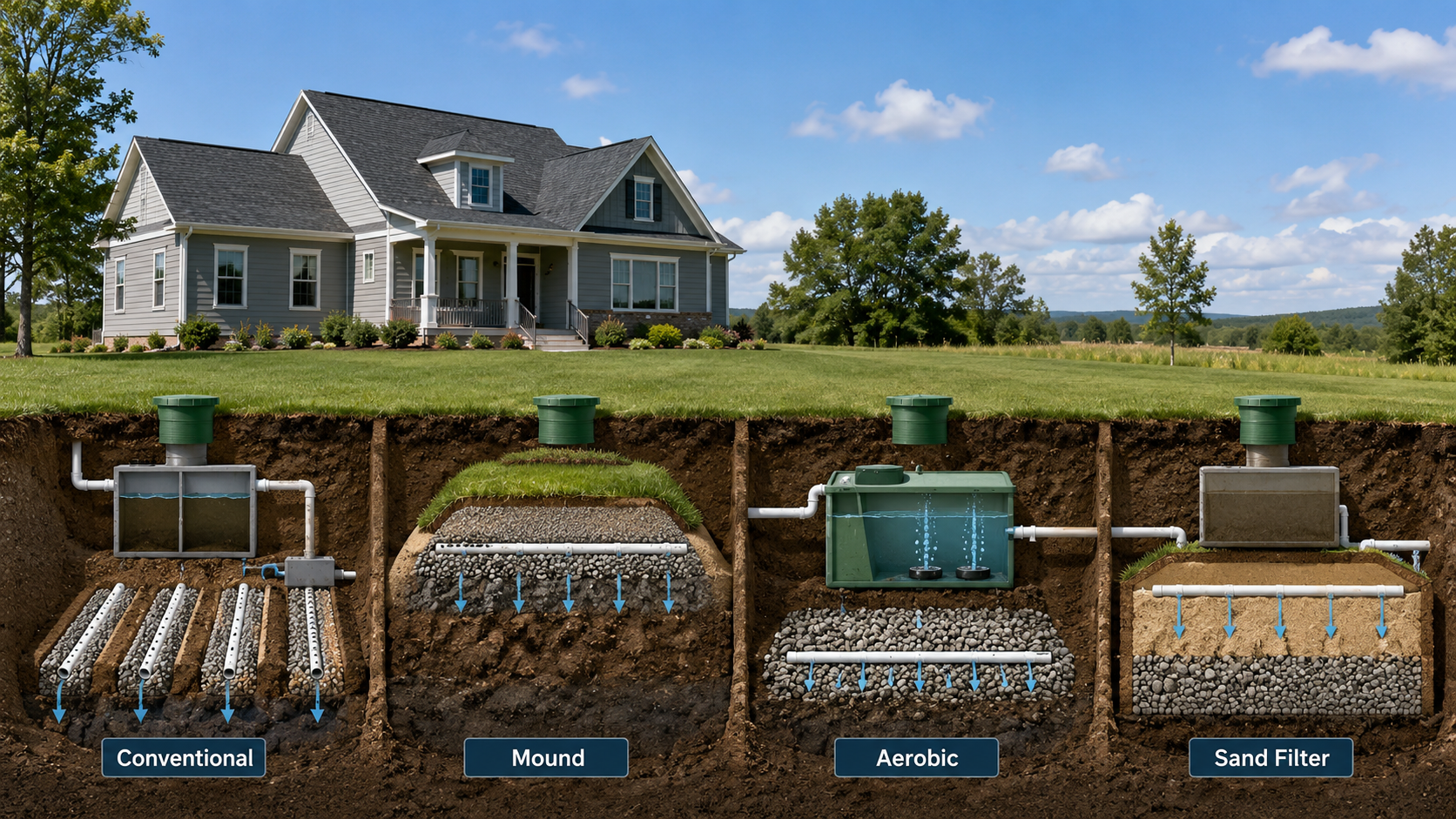
The Pros and Cons of Different Septic System Types
Choosing a septic system is a long-term decision. This guide breaks down common system types, how they work, and what homeowners should consider before building, buying, or upgrading.
Read more
Choosing the Best Toilet Paper for Septic Systems: Tips and Warnings
The wrong paper and flush habits can create real septic problems over time. This post explains how to choose septic-safe toilet paper and which common household items should stay out of the toilet.
Read more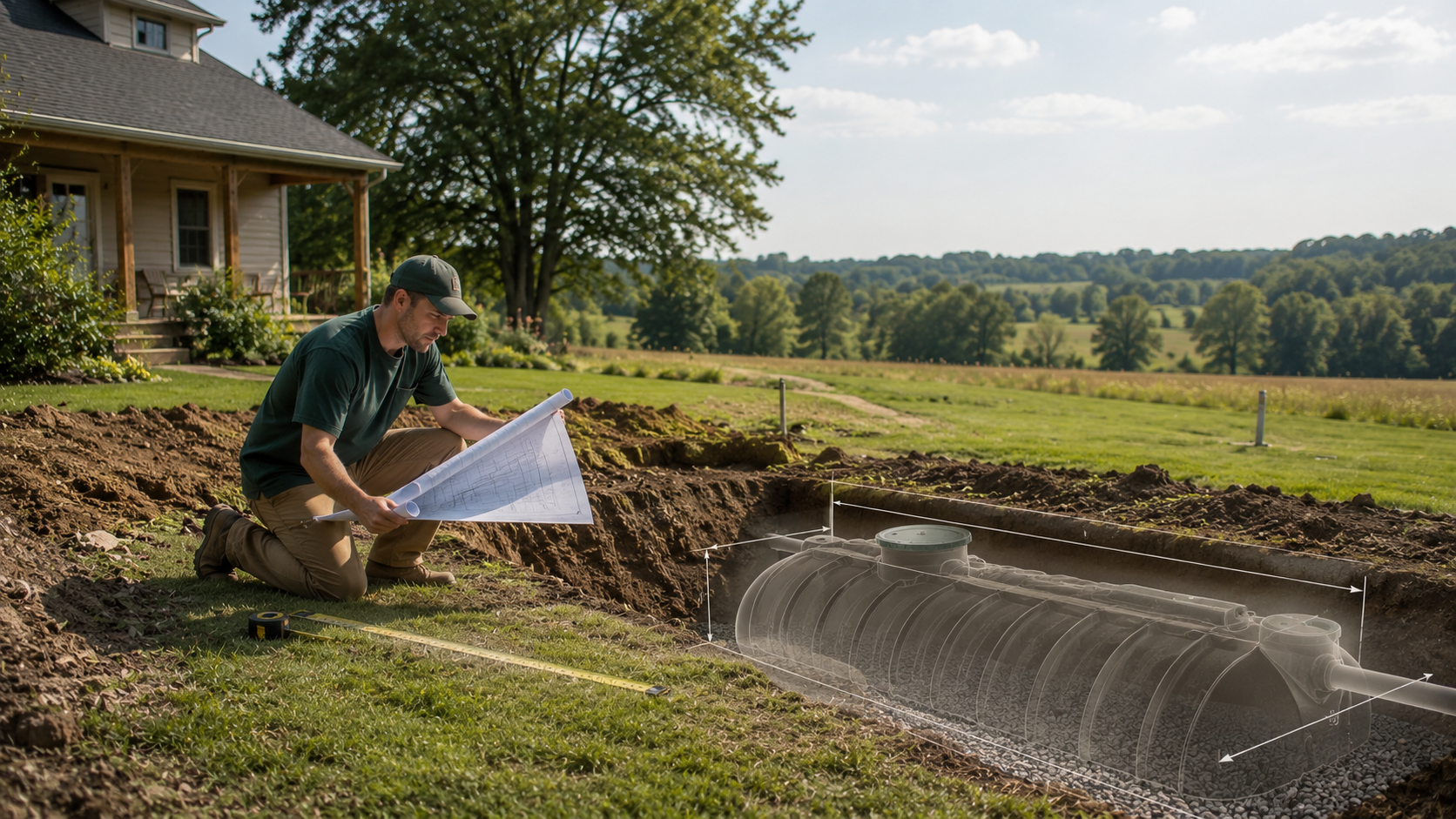
Can a Septic Tank Be Too Big? Finding the Right Size
Choosing the right septic tank size starts with understanding how your home uses water. This guide walks through the key factors that affect tank sizing, why both undersized and oversized tanks can...
Read moreAll Products