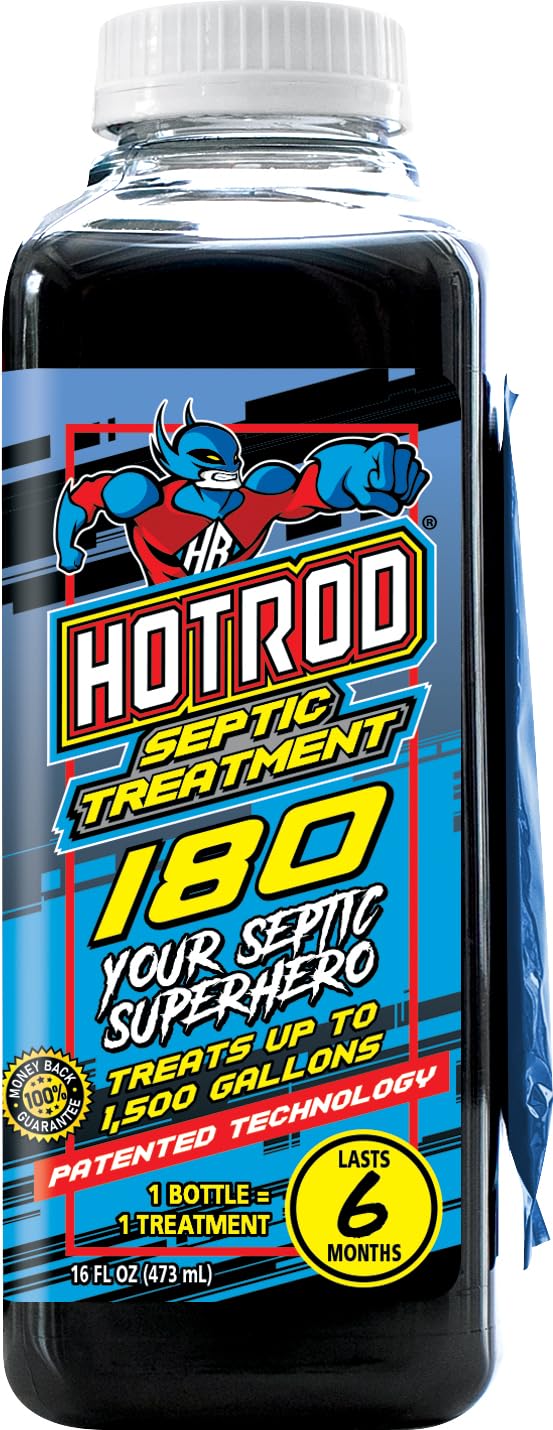
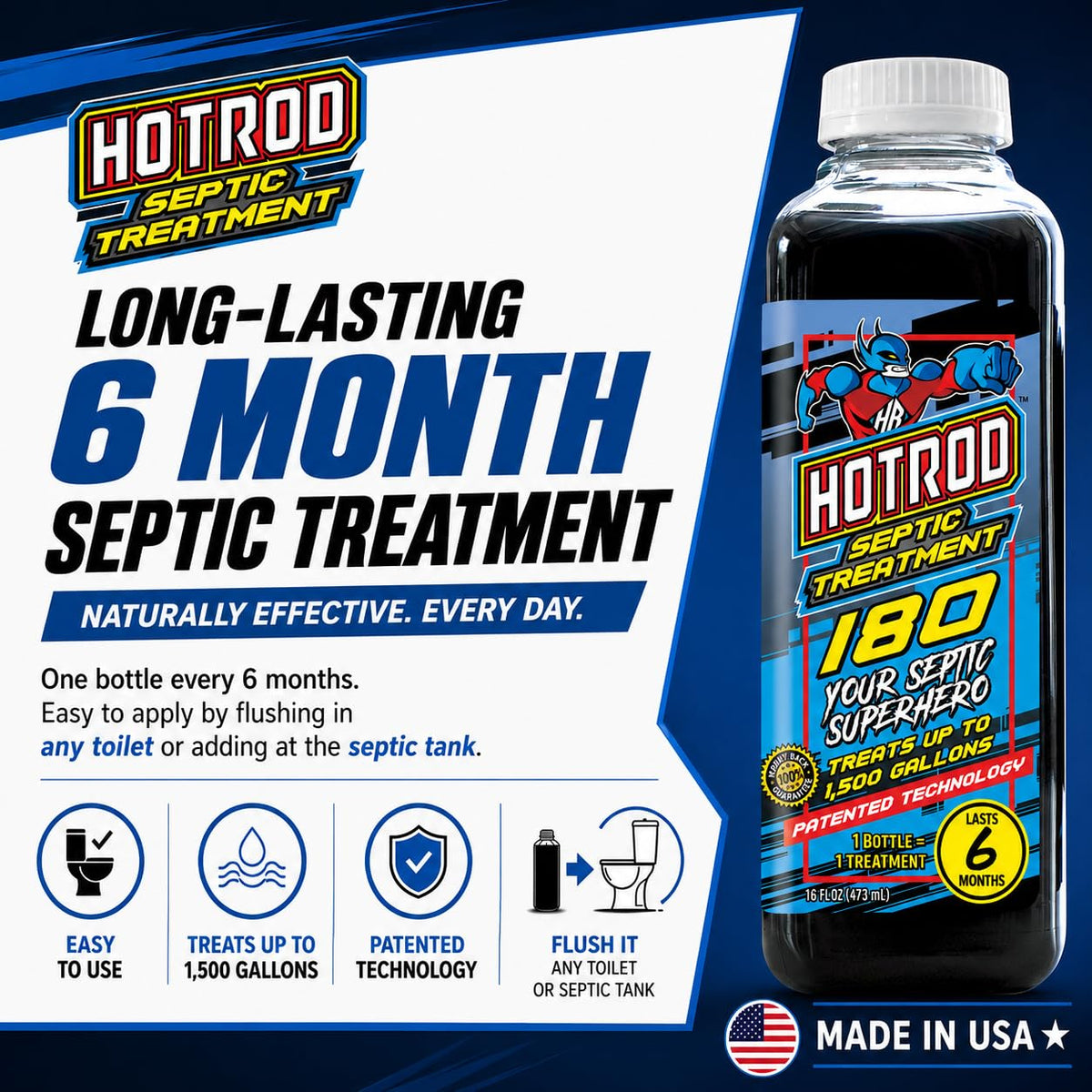

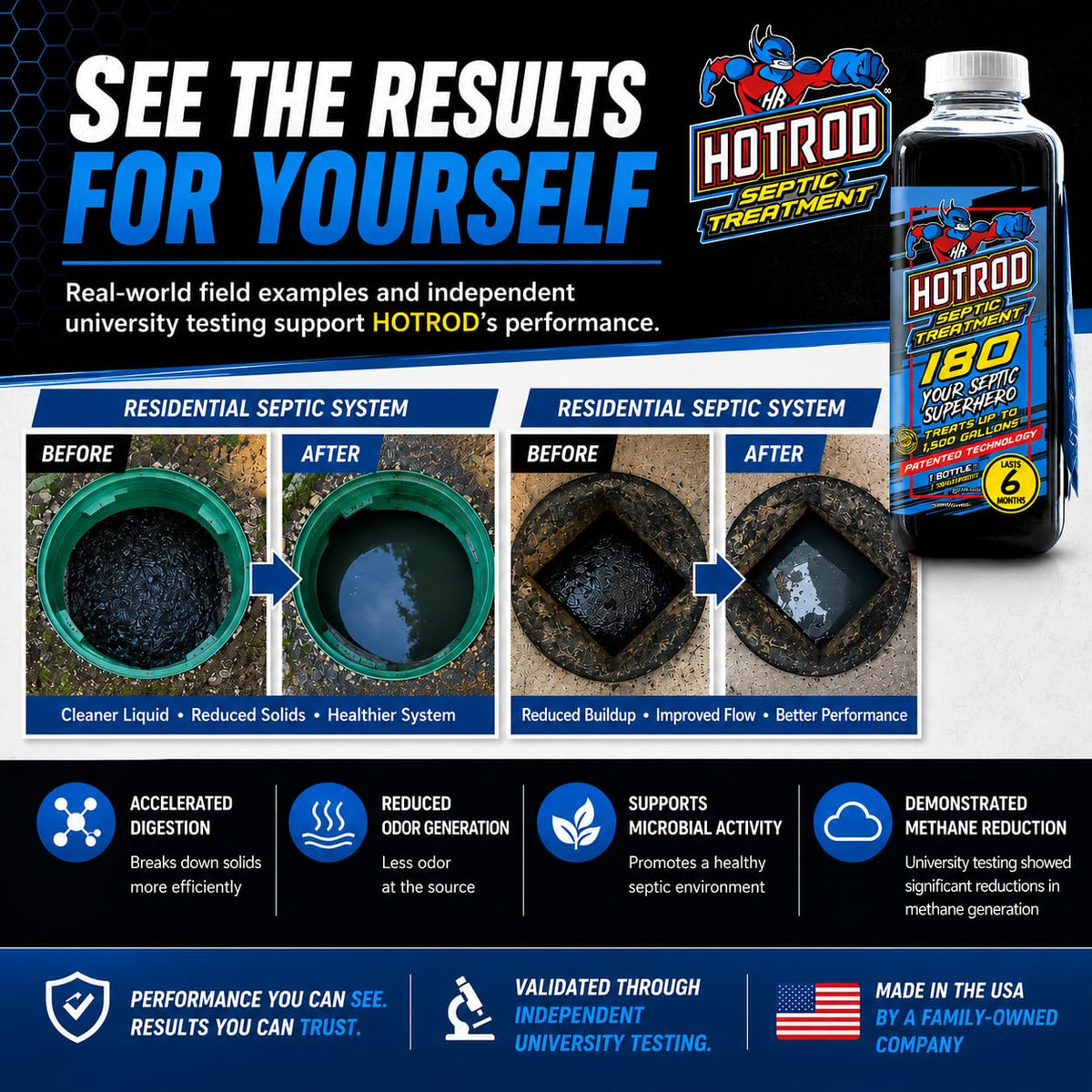
HOTROD 180 | 6-Month Treatment
Six months of septic maintenance in one bottle.
HOTROD 180 is the extended-interval option for homeowners who want to support septic-system biology with fewer treatment dates.
90 vs. 180 — the quick answer:
- Choose 180 if you want the convenience of a twice-per-year maintenance schedule.
- Choose 90 if you prefer a quarterly maintenance schedule.
- Both are designed for routine biological septic-system maintenance.
Why homeowners choose HOTROD 180:
- Built around real wastewater research and field use
- Designed to support biological digestion rather than simply add bacteria alone
- Used as a long-interval maintenance option for residential septic systems
- Backed by product-specific application and field-result visuals shown on this page
Designed to help:
- Support biological digestion of organic waste
- Maintain microbial activity between treatment dates
- Help manage conditions that contribute to excessive biomat buildup
- Support system performance where salt and household-use stress may be present
Why HOTROD: HOTROD uses a multi-component biochemical approach that combines chemistry with microbial and enzymatic activity rather than simply adding bacteria alone.
Simple schedule: One bottle is designed around a six-month treatment interval. Apply according to label directions and repeat twice per year.
Choose options
EXTENDED SEPTIC MAINTENANCE
Six months of treatment. One less thing to remember.
HOTROD 180 brings the HOTROD biochemical approach to a longer six-month maintenance interval. It is built for homeowners who want to support the biology of their septic system with a simple twice-a-year routine.
Designed to support fermentation and the microbial processes involved in breaking down organic waste.
HOTROD is designed to influence pathways associated with unwanted gas production, while odor reduction is a practical benefit frequently reported by customers in real systems.
Selected salt-tolerant microorganisms are designed to remain active where water-softener salts and other salinity stress are present.
Supports biological breakdown of organic material associated with biomat and is designed to help manage the conditions that can contribute to excessive buildup.
SELECTIVE BY DESIGN
Support the digestion. Reduce the gas.
Harsh disinfectants can suppress the microbial activity a septic system relies on. HOTROD takes a different approach: supporting fermentation and biological waste breakdown while influencing pathways associated with unwanted gas production under tested conditions.
Research results reflect controlled laboratory bioreactor conditions. Actual field performance can vary with system design, loading, wastewater chemistry, temperature, maintenance, and other operating conditions.
HOW TO USE HOTROD 180
Twice-a-year septic maintenance.
HOTROD 180 is the extended-interval option for homeowners who prefer a simple six-month maintenance schedule.
Add HOTROD 180 according to the directions on the product label.
The treatment is designed to work with the existing wastewater environment rather than disinfecting it.
A twice-a-year routine makes ongoing maintenance easier to remember.
90 OR 180?
Choose the maintenance interval that fits you.
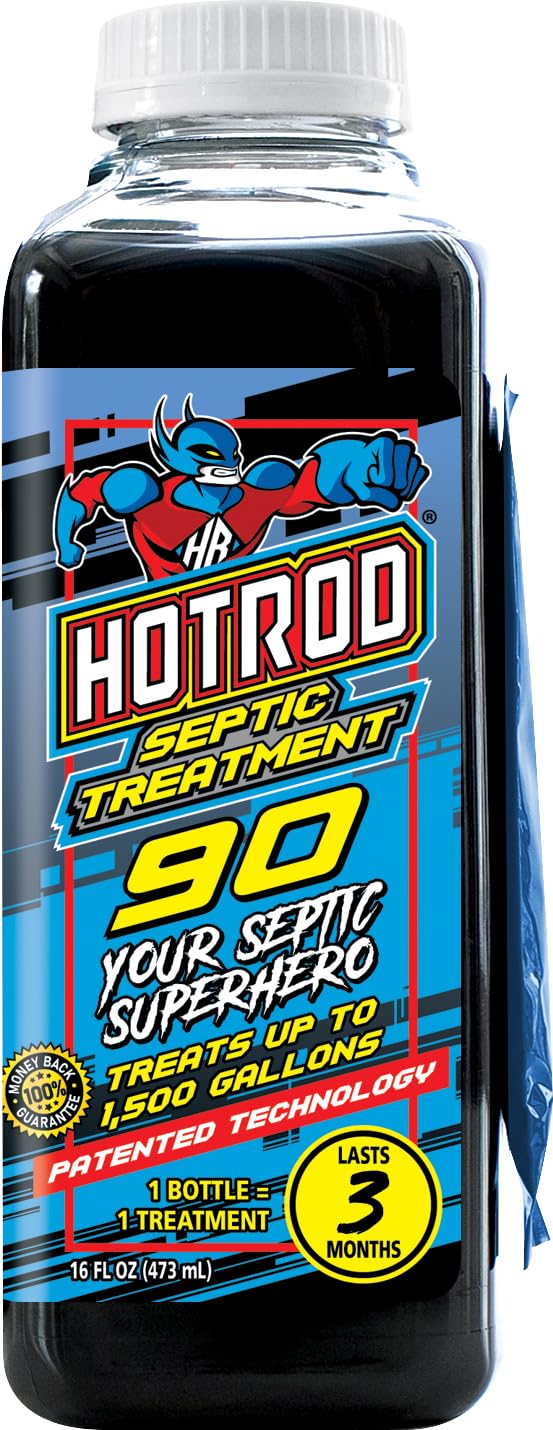
The straightforward three-month maintenance option.
VIEW HOTROD 90 →The extended six-month maintenance option for fewer treatment dates each year.
You are here.HOTROD 180 FAQ
What homeowners usually want to know.
How often do I use HOTROD 180?
HOTROD 180 is designed around a six-month treatment interval. Apply according to the product label and repeat on the recommended schedule.
What is the difference between HOTROD 90 and HOTROD 180?
The biggest customer-facing difference is the maintenance interval. HOTROD 90 is the three-month option; HOTROD 180 is designed for an extended six-month routine. Choose the schedule that best fits how you want to maintain your system.
What if my water softener discharges into my septic system?
HOTROD includes biologicals selected to tolerate wastewater conditions where salinity may be present. The goal is to help manage sodium and salt stress while supporting the biological environment of the system.
Does HOTROD help with drain-field biomat?
HOTROD is designed to help manage excessive biomat buildup by supporting biological breakdown of organic material associated with biomat and by influencing pathways associated with unwanted gas production under tested conditions. It is not a guarantee that a hydraulically failed drain field can be restored.
Is HOTROD just another bacteria-in-a-bottle product?
No. HOTROD is a multi-component biochemical treatment platform that integrates patented chemistry with microbial and enzymatic activity to influence biological waste degradation.
When should I choose HOTROD 90 instead?
Choose HOTROD 90 when you prefer a three-month routine rather than the extended six-month interval of HOTROD 180.
Learn more about wastewater care
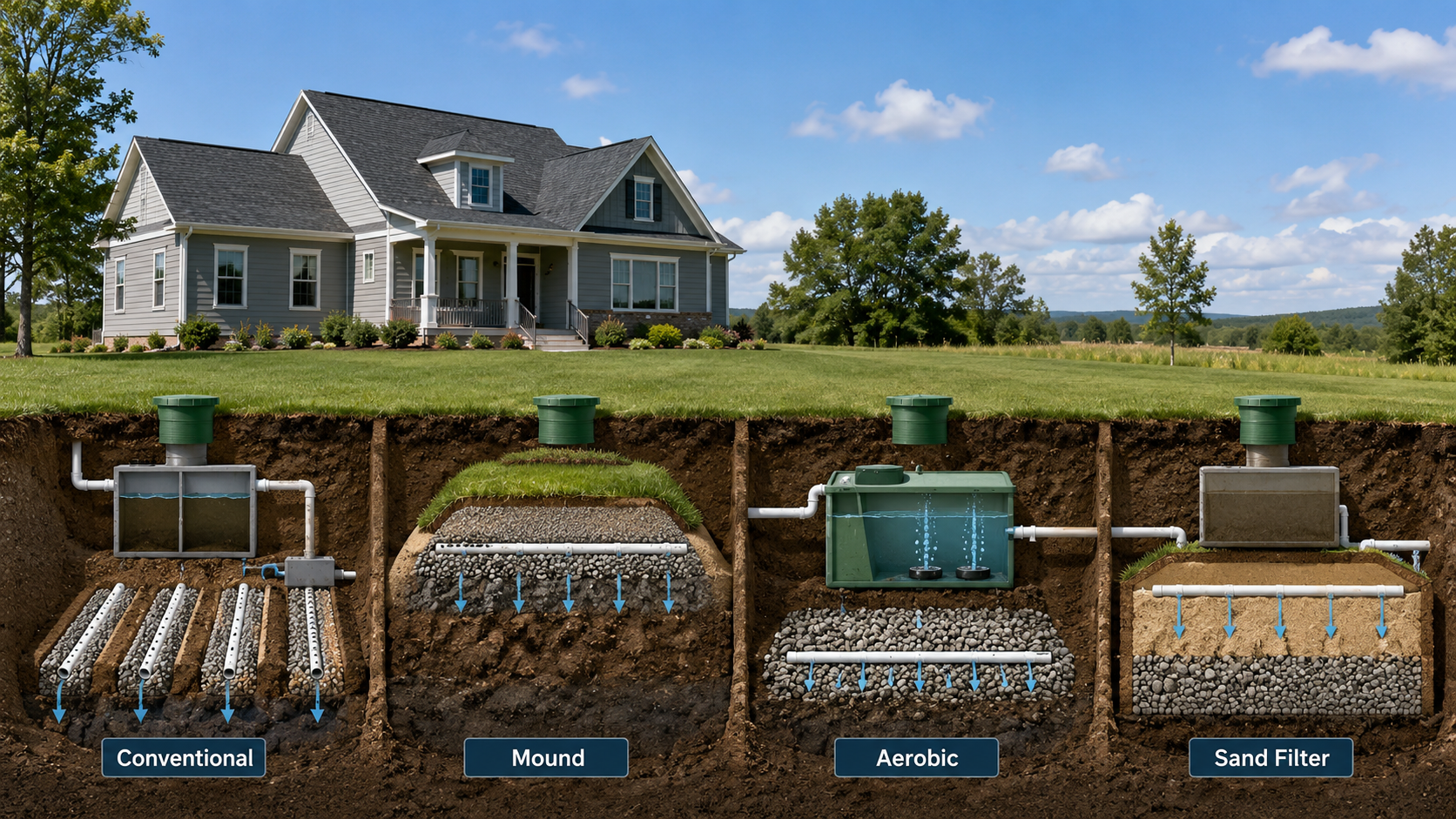
The Pros and Cons of Different Septic System Types
Choosing a septic system is a long-term decision. This guide breaks down common system types, how they work, and what homeowners should consider before building, buying, or upgrading.
Read more
Choosing the Best Toilet Paper for Septic Systems: Tips and Warnings
The wrong paper and flush habits can create real septic problems over time. This post explains how to choose septic-safe toilet paper and which common household items should stay out of the toilet.
Read more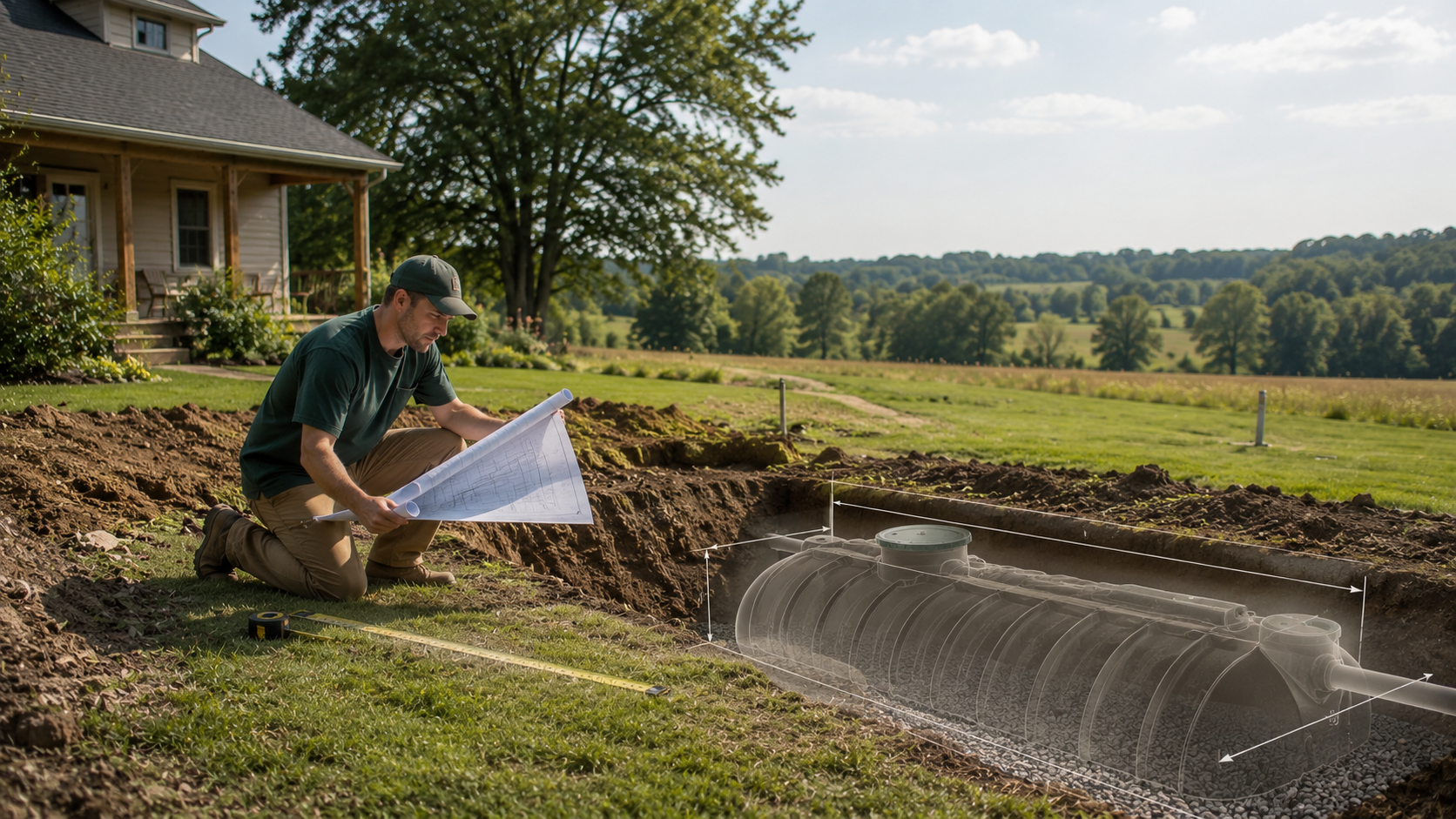
Can a Septic Tank Be Too Big? Finding the Right Size
Choosing the right septic tank size starts with understanding how your home uses water. This guide walks through the key factors that affect tank sizing, why both undersized and oversized tanks can...
Read moreAll Products