Choosing the Best Toilet Paper for Septic Systems: Tips and Warnings
When it comes to maintaining a septic system, many homeowners often overlook one crucial factor: the type of toilet paper they use. The wrong choice of toilet paper will lead to costly septic system repairs or even replacement. To help you prevent this, we’ll explore what the best toilet paper for septic systems is, what to avoid flushing down the toilet, and provide you with tips on how to determine if a product is safe for your septic system.
The Importance of Septic-Safe Toilet Paper
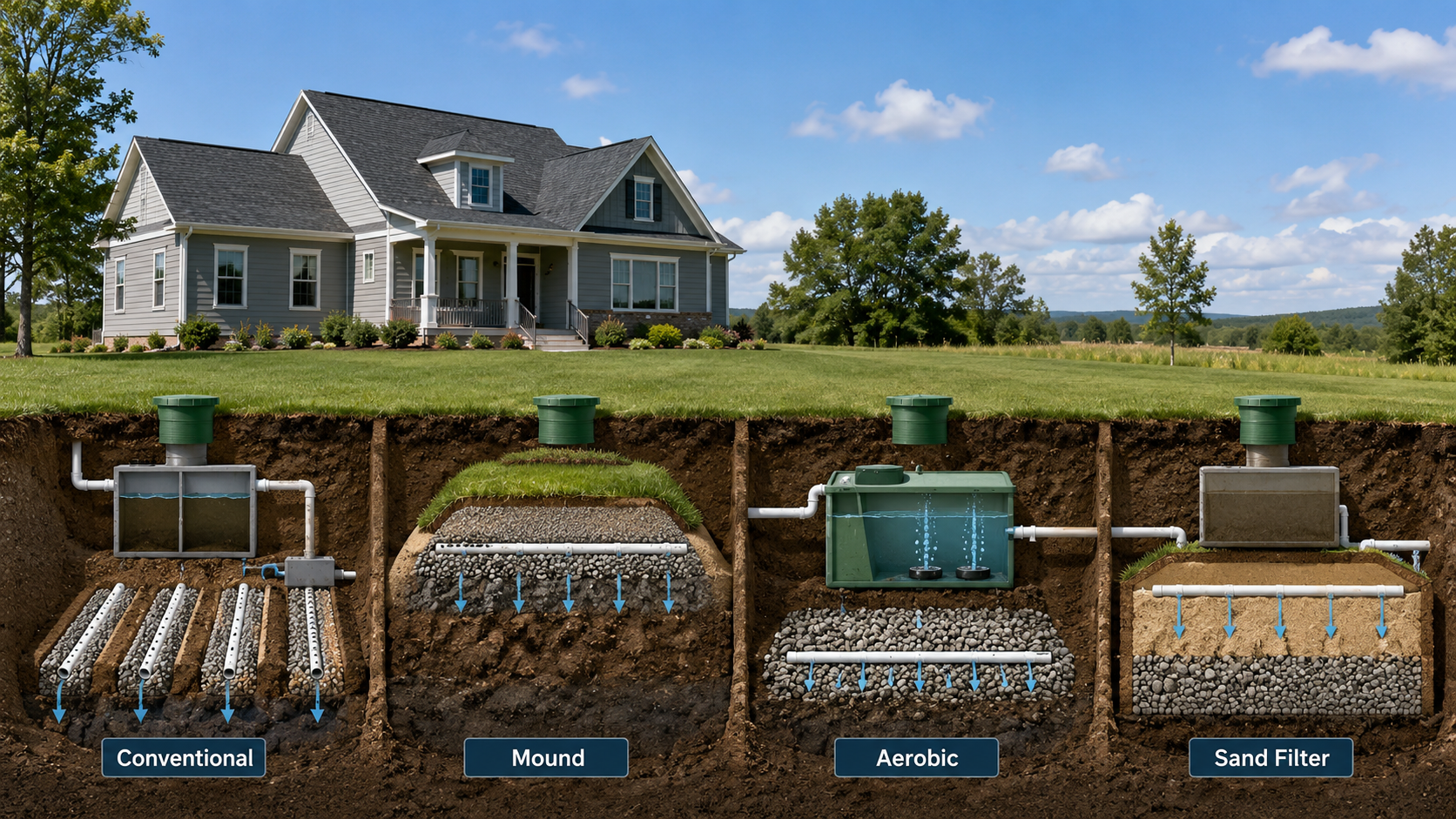
Your septic system relies on a delicate ecosystem with a balance of beneficial bacteria to break down waste and maintain proper system functioning. Traditional toilet papers are often problematic because they don’t break down as easily as septic-safe alternatives. When non-septic-safe toilet paper gathers up in your septic tank, it leads to clogs, backups, and reduced system efficiency. Choosing the right toilet paper will help prevent these issues and extend the lifespan of your septic system.
4 Things to Look for in Septic-Safe Toilet Paper
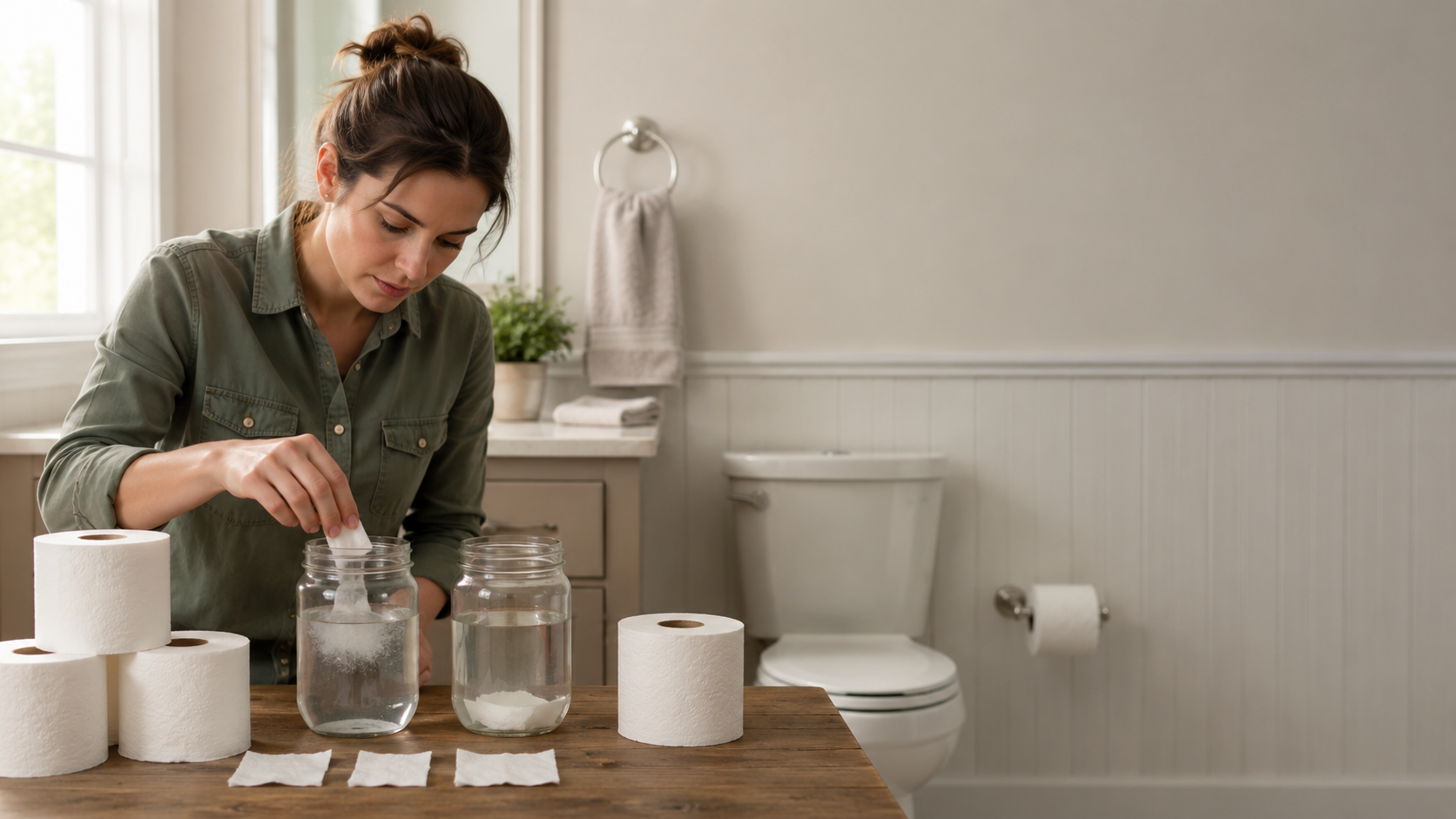
1. Biodegradability: The best toilet paper for septic systems is designed to break down quickly and easily in water. Look for toilet paper labeled as “biodegradable” or “septic-safe.” These products are typically designed to disintegrate rapidly, reducing the risk of clogs in your septic system. Note that their are some “camping specific” biodegradable toilet papers, and using these ones in your home isn’t necessary, but they are great for camping! There’s plenty of other biodegradable and septic-safe toilet papers made for in-home use.
2. Single-Ply: Single-ply toilet paper is generally a better choice for septic systems than thicker, multi-ply options. Thinner toilet paper breaks down more easily and puts less strain on your septic tank.
3. No Added Fragrances or Dyes: Avoid toilet paper with added fragrances or dyes. These chemicals can disrupt the bacterial balance in your septic tank and hinder its ability to break down waste effectively.
4. Certifications: Look for toilet paper products that are certified by organizations such as the National Sanitation Foundation (NSF) or carry the “Septic Safe” label. These certifications indicate that the product has been tested and proven safe for septic systems.
Products to Consider
Several toilet paper brands offer septic-safe options that meet the criteria mentioned above. Some popular choices include:
-
Scott 1000 Sheets Per Roll Toilet Paper
-
Charmin Essentials Soft Toilet Paper
-
Seventh Generation Toilet Paper
-
Cottonelle Ultra CleanCare Toilet Paper
5 Items You Should Not Flush Down the Toilet
In addition to using septic-safe toilet paper, it’s important to be aware of what you’re flushing down the toilet to prevent septic system issues. Here’s a list of items and materials you should never flush down your toilet, we’ve see, and many homeowners have experienced, them cause backups and clogs many times in the past:
-
Baby Wipes and Wet Wipes Even if they claim to be “flushable,” these wipes do not break down as easily as toilet paper and can lead to clogs.
-
Feminine Hygiene Products Tampons, sanitary pads, and other menstrual products should not be flushed. They can expand and block pipes or disrupt the septic system’s functioning.
-
Paper Towels and Tissues These are designed to be more durable than toilet paper and may not break down properly in the septic system.
-
Cotton Balls and Swabs These items do not dissolve in water and can accumulate in your septic tank.
-
Cooking Grease and Oils Pouring grease and oils down the drain can clog both your plumbing and your septic system. Dispose of them in a separate container.
Maintaining a healthy septic system starts with making informed choices about the products you use and what you flush down the toilet. By selecting septic-safe toilet paper and avoiding harmful materials, you can help extend the life of your septic system and prevent costly repairs. Remember to check product labels, choose biodegradable options, and follow best practices for septic system care to keep your household running smoothly. It’s also important to take steps to keep the ecosystem in your septic system healthy and thriving so it maintains its ability to effectively break down waste. If your septic tank’s ecosystem is unhealthy, waste builds up and leads to clogging and backups, even when you’re choosing the right products to flush. For maintaining a healthy septic system, check out HOTROD Septic Solutions. Our solution only needs to be applied to your system twice a year and consists of 22 biologicals and enzymes that are vital to keeping your system effectively breaking down waste, all year round. So if you care about keeping your septic system in great condition, beware of what you flush, and check out HOTROD Septic. hotrodseptic.com