Article: Septic System Lifespan
Septic System Lifespan
If you own a home with a septic system, one question matters more than most others.
How long is this system going to last?
A septic system is not a short-term piece of equipment. It is a long-term investment tied directly to your home, your land, and your peace of mind. Most systems are designed to last 20 to 30 years, but many fail earlier. Others last far longer than expected.
The difference usually comes down to how the system is cared for over time.
What Septic System Lifespan Really Means
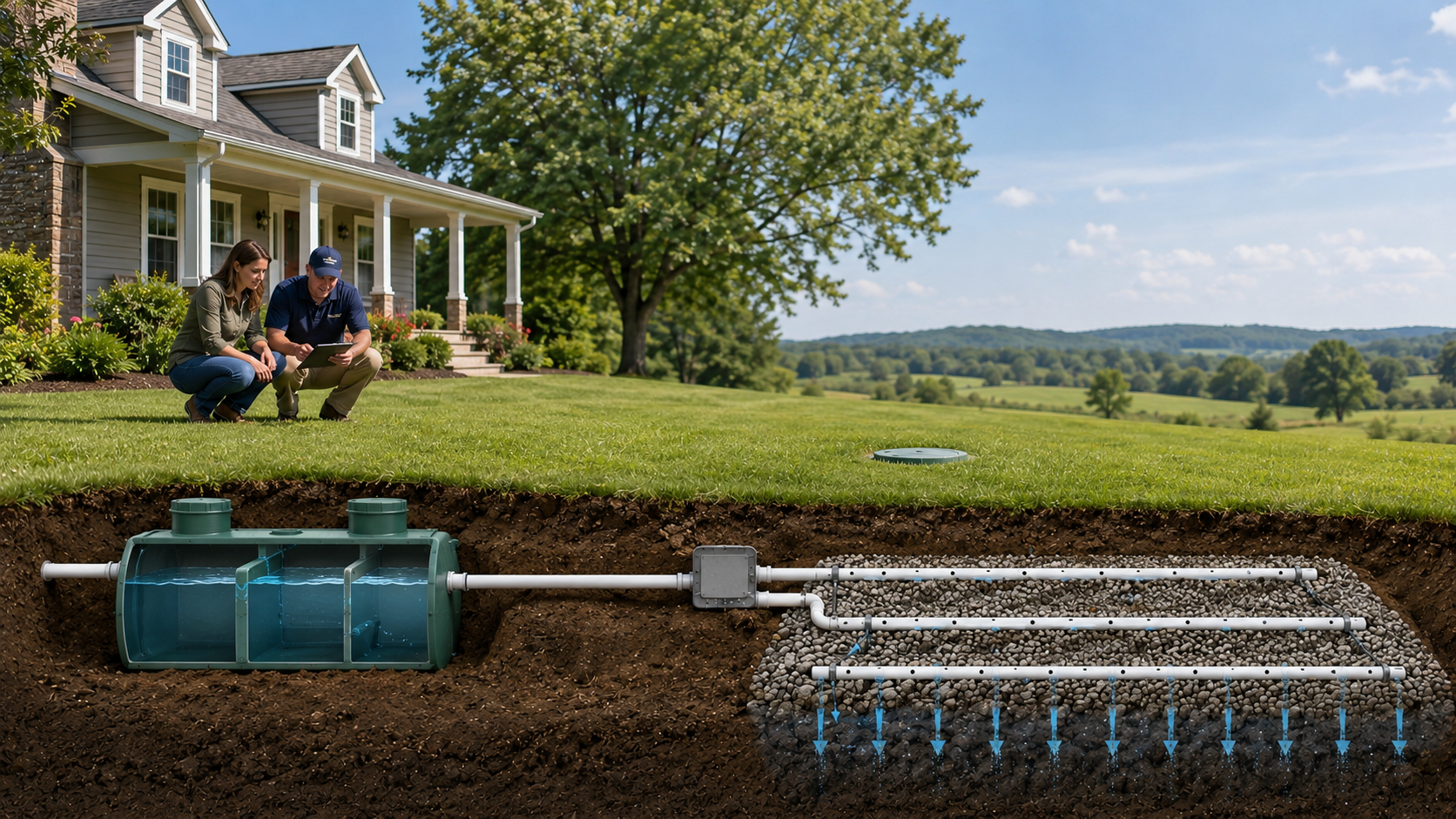
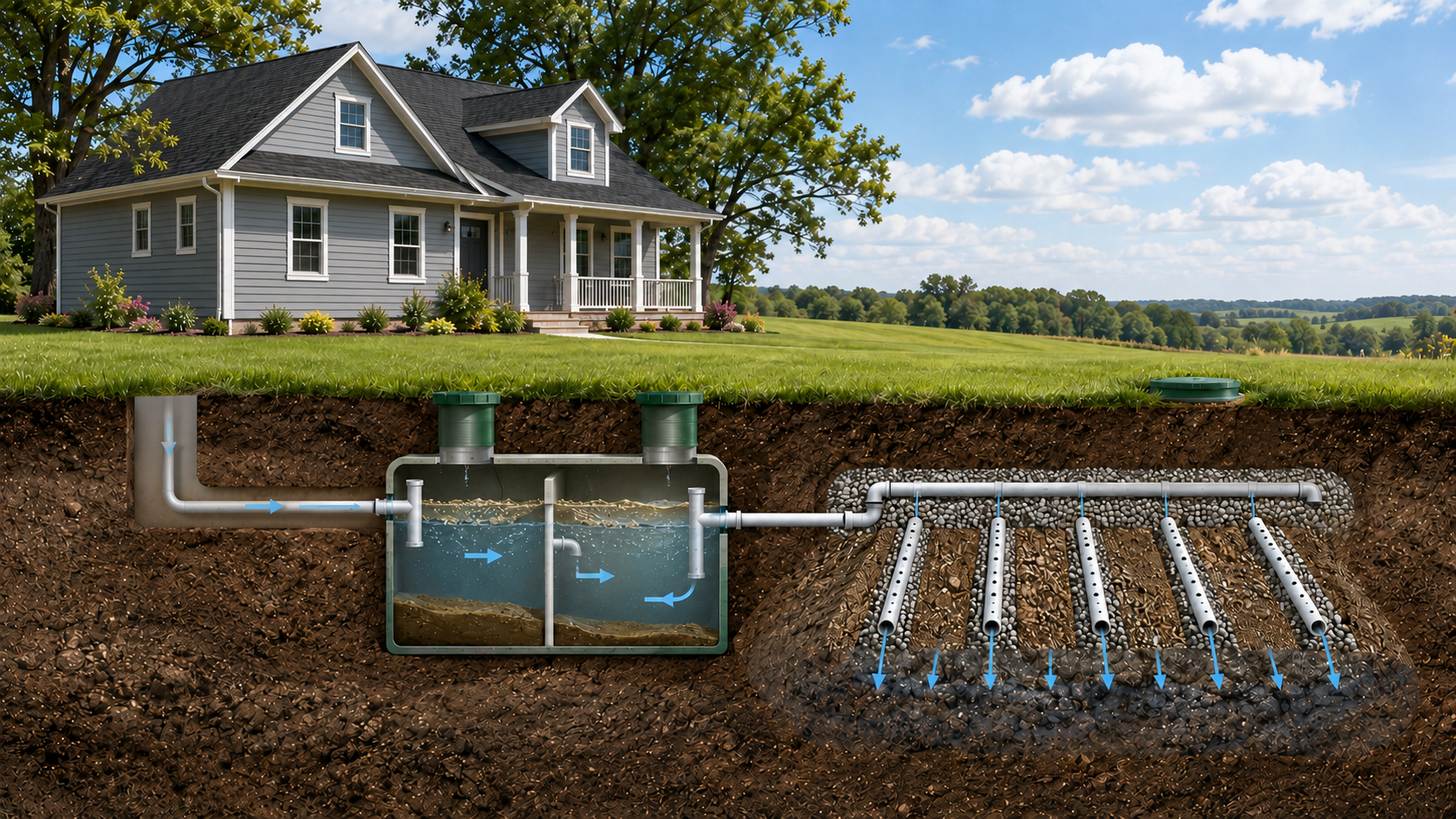
When people talk about septic system lifespan, they often think only about the tank. In reality, the lifespan of a septic system is determined by the entire system, especially the drainfield.
The tank is built to be durable. The drainfield is where most systems reach the end of their usable life.
A drainfield fails when it becomes overloaded with solids or wastewater it was never meant to handle. Once the soil can no longer absorb and treat water properly, repair options become limited and replacement is often the only path forward.
Protecting system lifespan means protecting the drainfield long before there are visible problems.
What Shortens the Life of a Septic System
Septic systems rarely fail because of one big mistake. They wear down gradually from ongoing stress.
Common causes of early failure include:
-
Excessive solids buildup in the tank
-
Poor breakdown of waste due to disrupted bacteria
-
Regular use of harsh chemicals
-
Waiting too long between pumping
-
Addressing symptoms instead of root causes
These issues often go unnoticed for years. Everything may appear normal above ground while damage is slowly accumulating below.
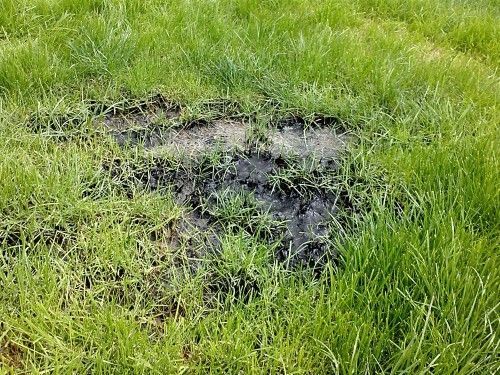
By the time odors, slow drains, or surfacing water appear, the system has usually been under strain for quite some time.
The Real Concern for Most Homeowners
The biggest concern is not routine maintenance. It is uncertainty.
No one wants to wonder whether they are missing something important or making choices today that lead to a costly problem later. A full septic replacement is expensive, disruptive to the property, and stressful to manage.
Extending septic system lifespan is about avoiding surprises. It is about knowing that what you are doing now is protecting what you have already invested in.
How Septic Systems Last Longer Than Average
Systems that last longer than average tend to share a few things in common.
They are not overloaded.
They are not neglected.
They are supported consistently over time.
Key factors that help extend lifespan include:
-
Keeping solids from reaching the drainfield
-
Maintaining healthy biological activity in the tank
-
Pumping before buildup becomes excessive
-
Avoiding products that damage bacteria
-
Making steady, preventative decisions rather than reactive ones
None of this is complicated. It simply requires understanding how cause and effect work underground.
Why Biology Plays Such a Big Role
Biology determines how quickly solids accumulate and how much stress is passed downstream.
When bacteria are healthy, waste breaks down more completely. Fewer solids leave the tank, and the drainfield stays cleaner longer.
When biology is disrupted, solids build up faster and more material moves into the drainfield. Over time, soil pores clog and the system loses capacity, even if pumping schedules are followed.
This is why long-term septic care is not just about pumping. It is about maintaining balance between service visits.
Thinking Long Term Instead of Reacting
The homeowners who get the most life out of their septic systems tend to think ahead.
They do not wait for warning signs.
They do not rely on emergency fixes.
They do not chase products that promise instant results.
They focus on prevention, education, and steady care.
That approach aligns with how Hotrod approaches wastewater treatment. The goal is not to force the system to perform. It is to support and restore the conditions the system needs to function properly over time.
What Extending System Lifespan Really Gives You
Extending septic system lifespan does more than reduce costs.
It means fewer emergencies, less disruption to your land, and more confidence in how your home is supported below ground.
For most homeowners, that confidence is the real value.
Where This Leads Next
Once lifespan is clear, the next practical question is maintenance timing, especially pumping.
Next, we will walk through how often to pump a septic tank, based on household size, and explain why pumping is necessary but not the full picture.