Drain Field Gardens: Dos and Don’ts
Many homeowners wonder if they can turn the area above their septic drain field into a lush garden, brimming with vegetables or colorful flowers. While gardening can be a rewarding activity, it’s essential to consider the impact it may have on your septic system’s functionality. In this blog post, we’ll explore the idea of planting gardens over septic drain fields, the potential risks involved, and alternative gardening options for homeowners.
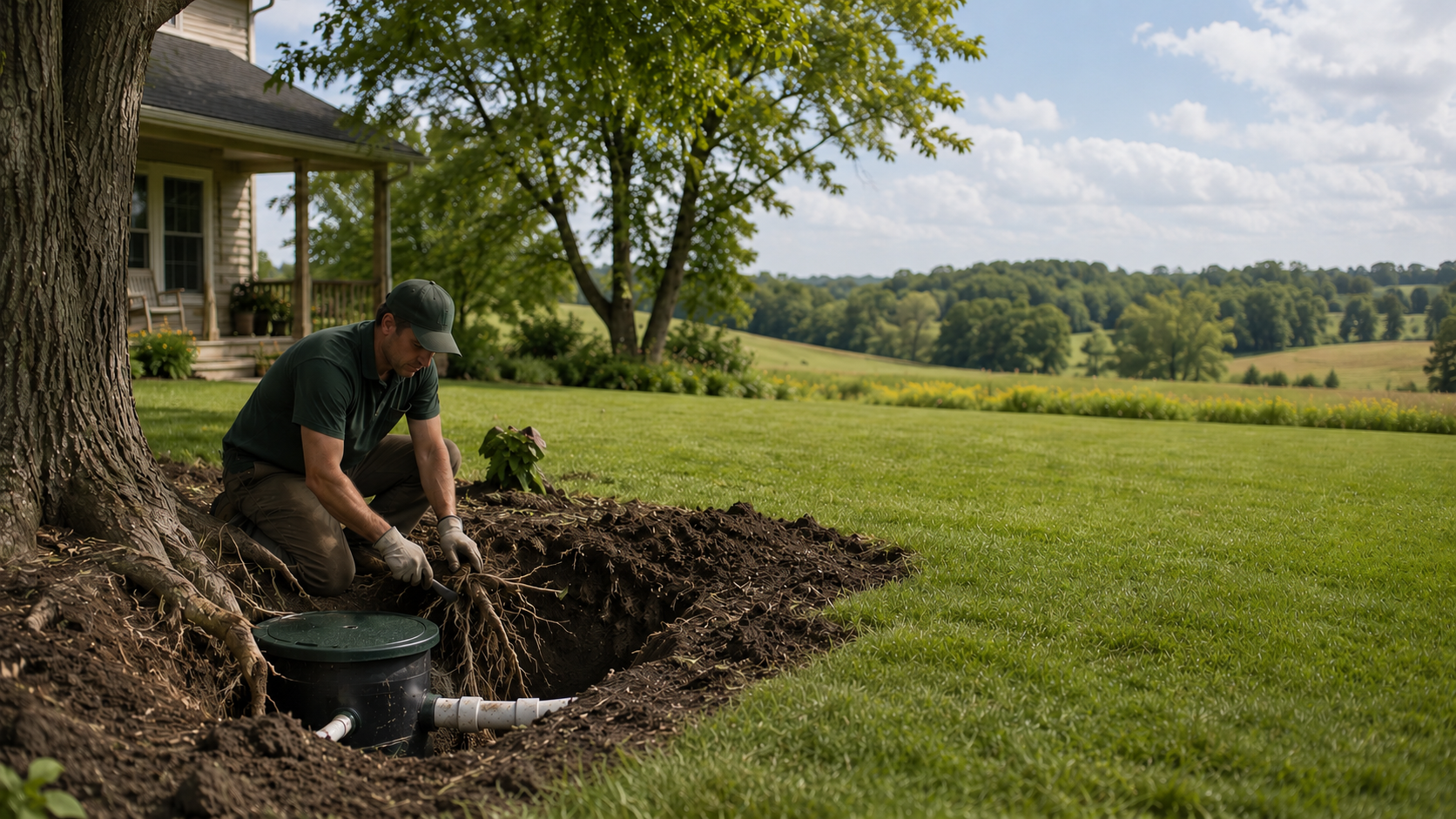
ANSWER: Our experts and most pumpers agree that no deep rooting planting should be within 20 feet of your septic system or leach field – it’s best to keep all these plants 20-50 feet away, 20 feet being the absolute closest to your system.
Planting a Vegetable Garden Over Your Septic Drain Field
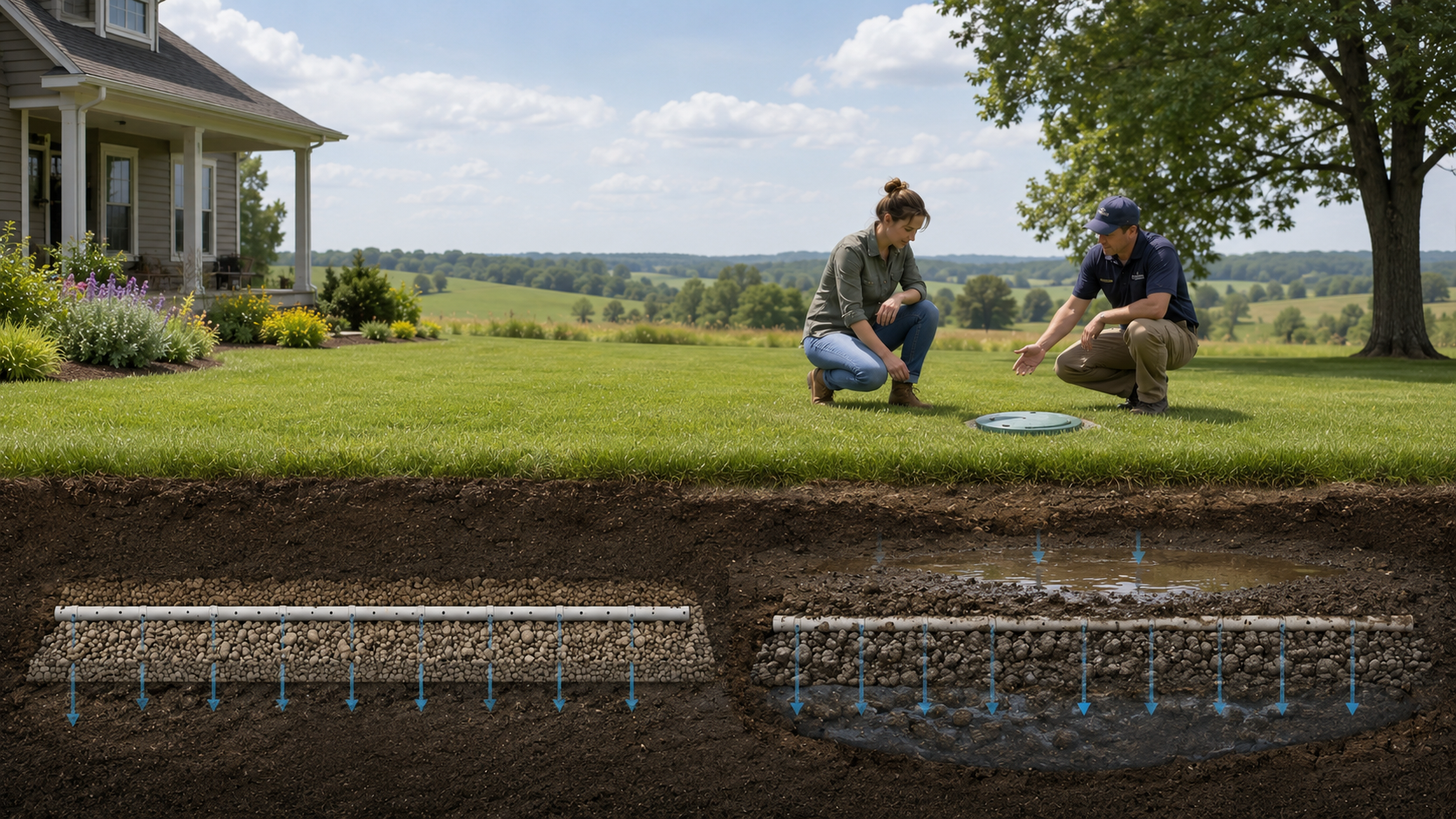
Planting a vegetable garden directly over your septic drain field is something we don’t recommend. The primary concern is the risk of damage to your septic system. The weight of plants, especially those with deep root systems like trees, large shrubs, and many vegetables, compress the soil above the drain field, causing damage to the pipes and distribution lines. Not only that, but it can compromise your system’s drainage, which a healthy septic system relies on.
Planting a vegetable garden will disrupt the natural drainage process, leading to poor wastewater absorption and potential backups in your plumbing. It’s not just all about the septic system though. There is a risk of contamination if vegetables come into contact with wastewater from the septic system. This can pose health hazards, especially if the vegetables are consumed without thorough washing and cooking. And, in some places, there are regulations for how far you have to plant away from your drain field. Make sure you check your local rules before beginning any planting.
Planting a Garden Over Your Septic Drain Field
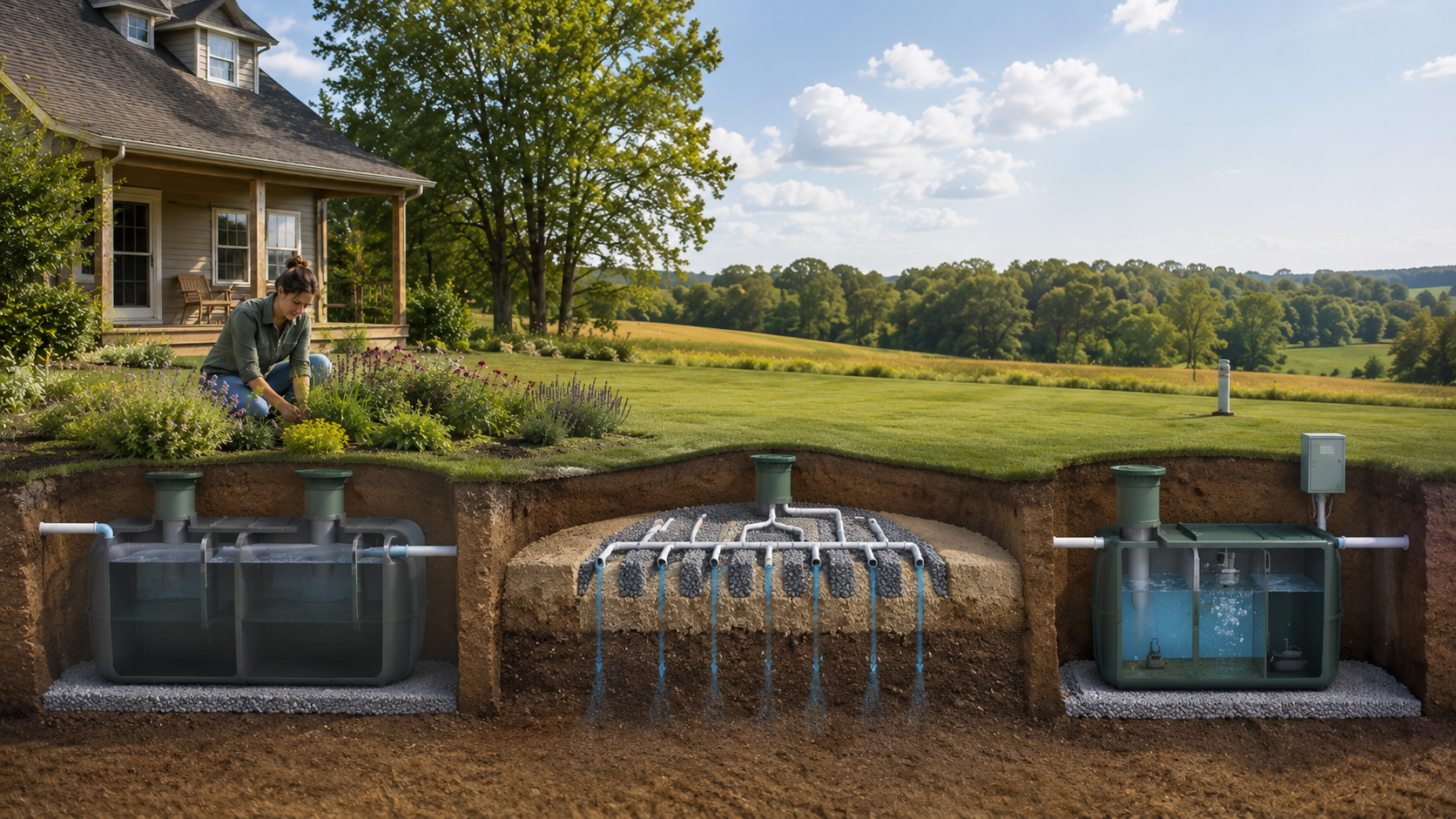
While planting a vegetable garden over your septic drain field is discouraged, creating a regular garden with flowers, ornamental plants, or shrubs is an option that can work. A well-planned garden like this can enhance the visual appeal of your property while allowing you to enjoy gardening without compromising your septic system’s health.
Most ornamental plants and flowers have shallower root systems compared to vegetables and trees. This reduces the risk of root damage to your septic system. There’s also no concern about consuming contaminated produce with ornamental gardens, since you won’t be harvesting edible crops.
Alternative Gardening Options
If you’re still determined to grow vegetables or to have a more extensive garden on your property, consider these three alternative gardening options that won’t jeopardize your septic system, or your health:
-
Container Gardening Opt for container gardening on your deck or patio. Containers can be moved easily and don’t affect the drain field.
-
Create a Raised Garden Bed Construct raised garden beds filled with suitable soil away from the drain field. This allows you to grow vegetables without interfering with the septic system, or the septic system interfering with your plants.
-
Choose Shallow-Rooted Plants If you still want to garden near the drain field, select shallow-rooted ornamental plants instead of vegetables, fruits, or any other edible or deep-rooted plants. Check out this article from Clemson College of Agriculture for the best plant selection for planting above or near the drain field.
If you don’t like these options, you should choose to plant your garden a safe distance away from the septic system components instead, following local regulations and guidelines.
If your septic system is hidden away in the backyard, consider a front yard garden, or vice versa. If you’re uncertain about the placement of your garden, consult a septic system professional or a landscaper with experience in septic-friendly landscaping. They will help you design a garden that complements your septic system without harming it. While the idea of planting a garden above your septic drain field may be enticing, it’s crucial to prioritize the health and functionality of your septic system and your family.
Avoid planting vegetable gardens directly over the drain field to prevent damage, drainage issues, and contamination risks. Instead, consider regular ornamental gardening or alternative gardening methods that allow you to enjoy the beauty of your garden while preserving your septic system’s integrity. Proper planning and consultation with experts will help you strike the right balance between gardening and septic system care.
To ensure your septic system functions healthily all year round, garden or not, check out HOTROD Septic’s twice a year application septic solutions, for a greener, flourishing septic tank.